Stunning Ways to Photograph Your Garden for DIY Greeting Cards

Recent Trends
Personalized greeting cards have moved from a niche hobby to a mainstream choice, with many people turning to their own outdoor spaces for imagery. Garden photography for cards has gained traction across social platforms, where home gardeners share seasonal shots of blooms, foliage, and backyard vignettes. The trend aligns with a broader shift toward handmade and hyper-local gifts, where the sender’s own environment becomes the design element.

- Natural, unedited garden scenes are favored over stylized studio backdrops.
- Seasonal "first bloom" and "harvest" card themes appear frequently in DIY circles.
- Smartphone cameras with portrait mode are now common tools for card-making.
Background
Greeting cards have historically relied on professional illustrations or licensed photography. The DIY movement changed that by making photo editing and home printing accessible. For gardeners, the private backyard offers a ready-made studio that changes weekly. Since cards are short-lived by nature, capturing a garden phase — spring tulips, summer hydrangeas, autumn leaves — gives the image a timely emotional hook.
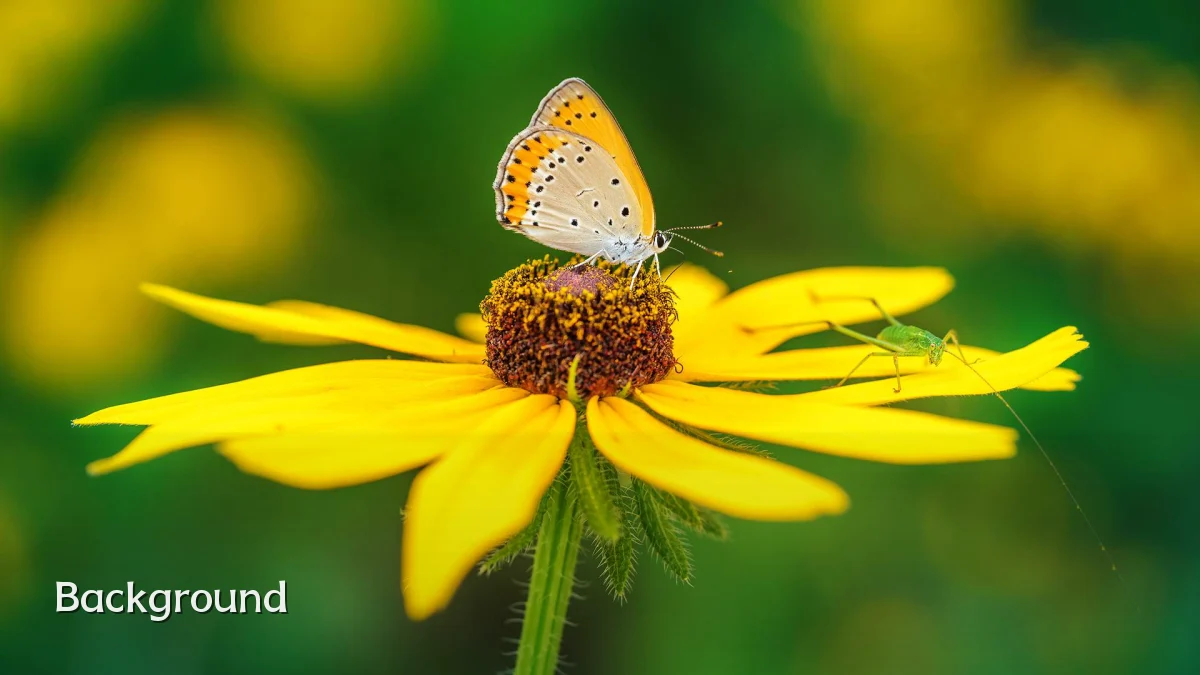
Garden photography for cards is not about perfect landscapes. It is about finding small, composed moments: a single rose against a fence, herbs in morning light, or a pathway leading out of frame. These details translate well to card dimensions, where tight crops often read better than wide shots.
User Concerns
People attempting garden photo cards commonly run into predictable challenges, most of which are fixable without expensive gear.
- Lighting: Harsh midday sun washes out colors and creates hard shadows. Early morning or late afternoon yields softer, more flattering light.
- Composition: Including too much of the yard can make a card look cluttered. Focusing on one flower, a branch, or a textured leaf often works better.
- Seasonal timing: A bloom may last only days, leaving a narrow window for reshoots. Planning ahead for the intended occasion helps.
- Print quality: Photos that look fine on a phone screen may appear soft or pixelated at card size. Keeping the camera close and the focus sharp reduces disappointments.
- Weather interference: Wind is a frequent obstacle; shooting in sheltered spots or using a fast shutter setting can help.
Likely Impact
The do-it-yourself garden card is unlikely to replace traditional retail cards, but it is carving out a meaningful niche. For casual makers, it lowers the barrier to creating something personal without needing graphic design skills. For local printers and small stationery sellers, the trend opens up door for seasonal, limited-run products. It also gives garden imagery a fresh purpose beyond social posts, encouraging more people to observe their plants closely — a quiet side effect that benefits both photography skills and gardening habits.
What to Watch Next
Look for improvements in mobile photo editing tools that simplify background blur, color correction, and text overlay. As artificial intelligence continues to refine automatic cropping, expect more apps to offer "card format" presets that help amateurs frame photos correctly from the start. Sustainability concerns may also push more senders toward digital cards, which could influence the kind of garden images that are shared by email or messaging apps rather than printed. Gardeners themselves will likely continue experimenting with different times of day, weather conditions, and close-up perspectives as they seek new ways to make each card feel distinct.